Meet Your Hidden Threats
Five microscopic villains have already infiltrated your home. Each has a name, a personality, and a specific vulnerability. Learn them — then defeat them.
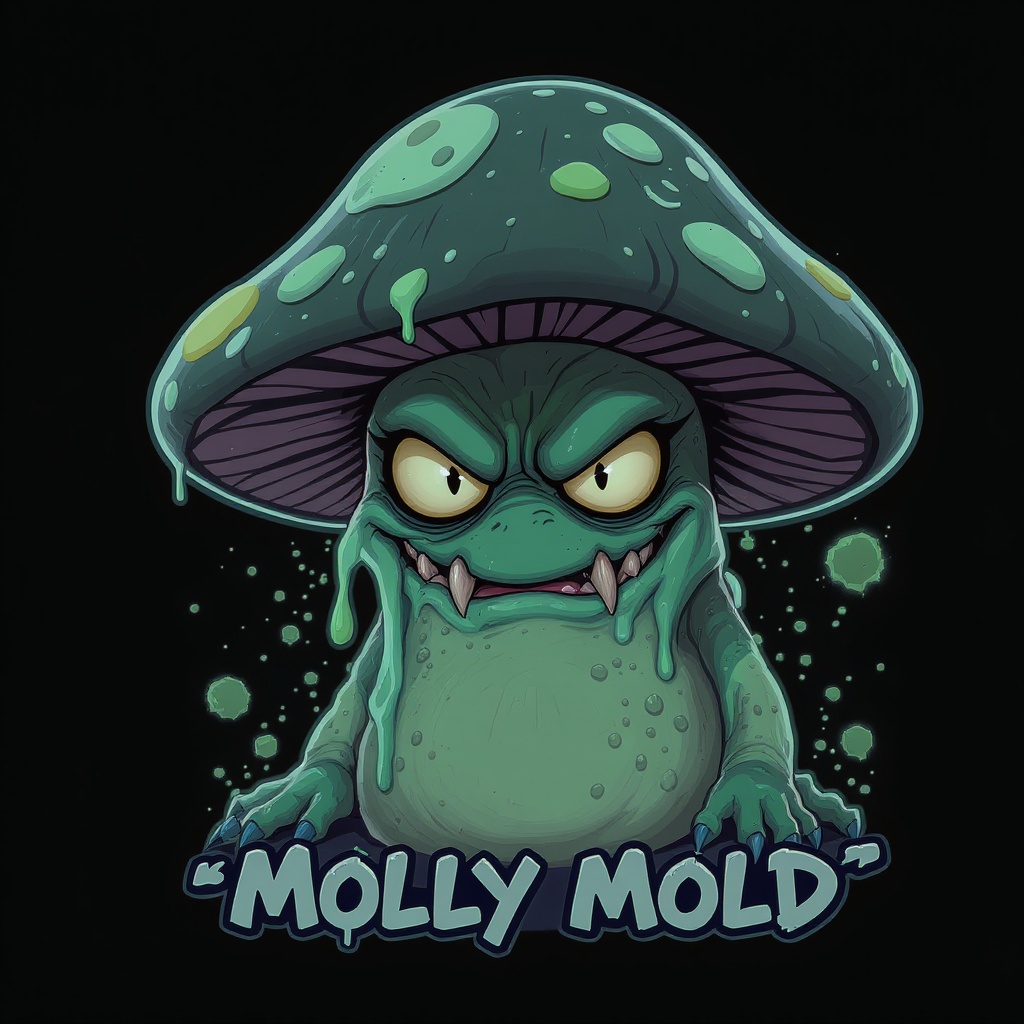
Molly commands invisible spore populations in damp, dark spaces — behind walls, under sinks, inside HVAC coils. When humidity hits 60%, her breeding season begins.
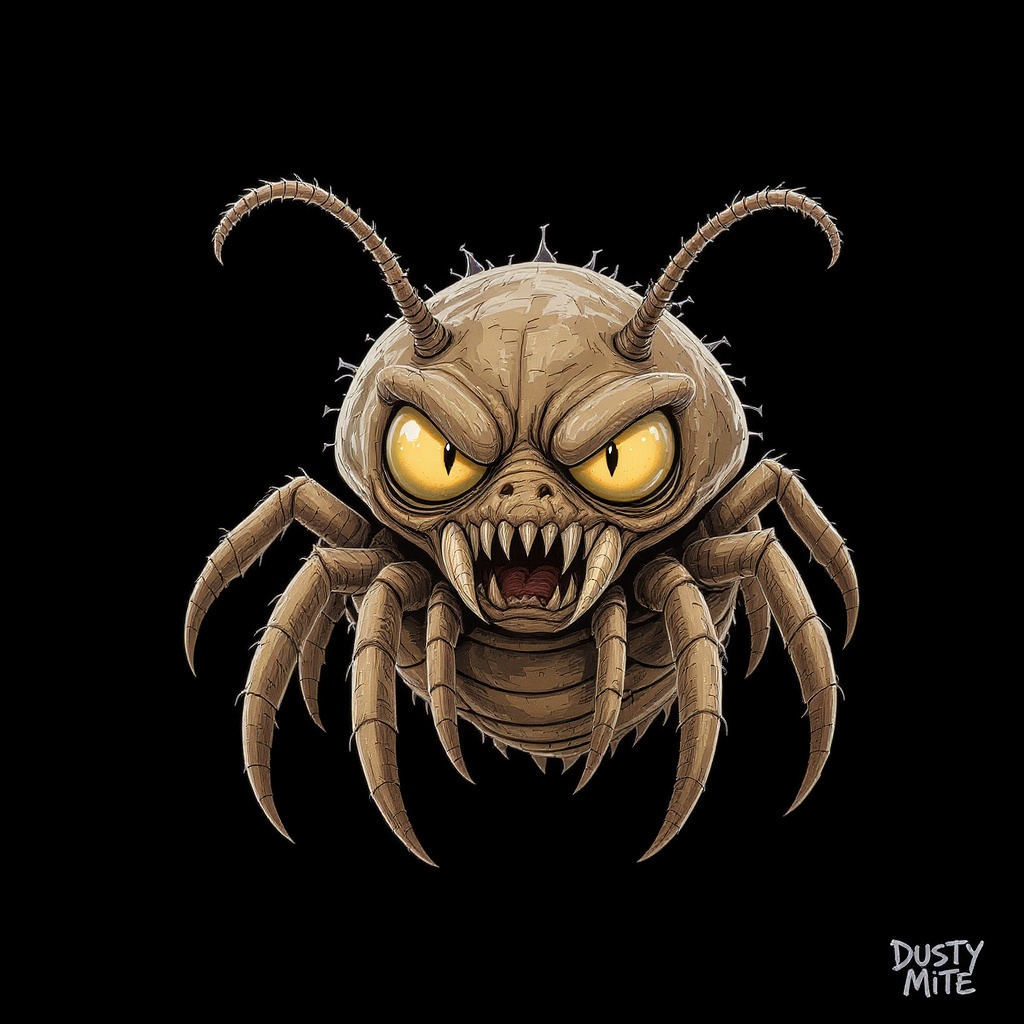
Dusty commands the microscopic allergen population that hides in bedding, carpets, and HVAC filters. Each gram of dust can host up to 1,500 of Dusty's minions.
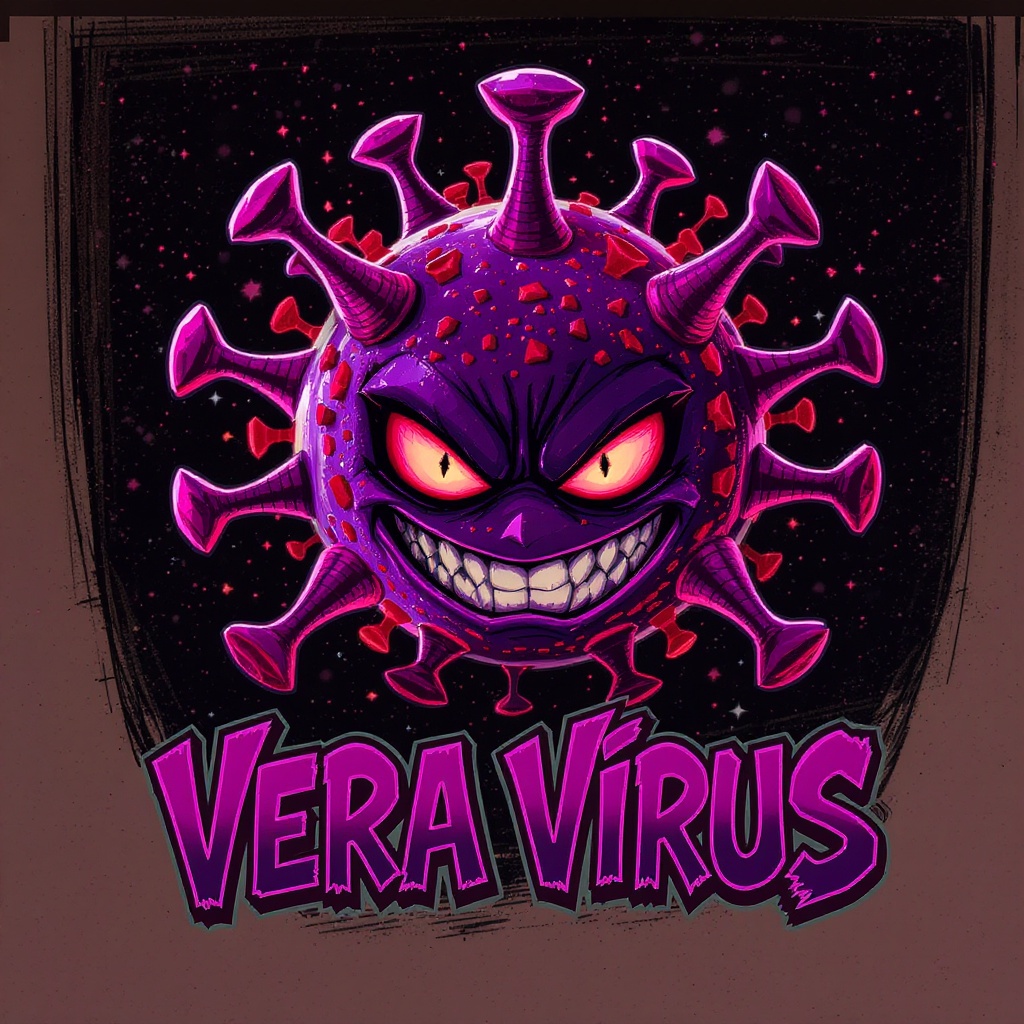
Vera travels on aerosol droplets that stay suspended in poorly ventilated air for up to 3 hours. She spreads when people breathe, talk, or cough in enclosed spaces.
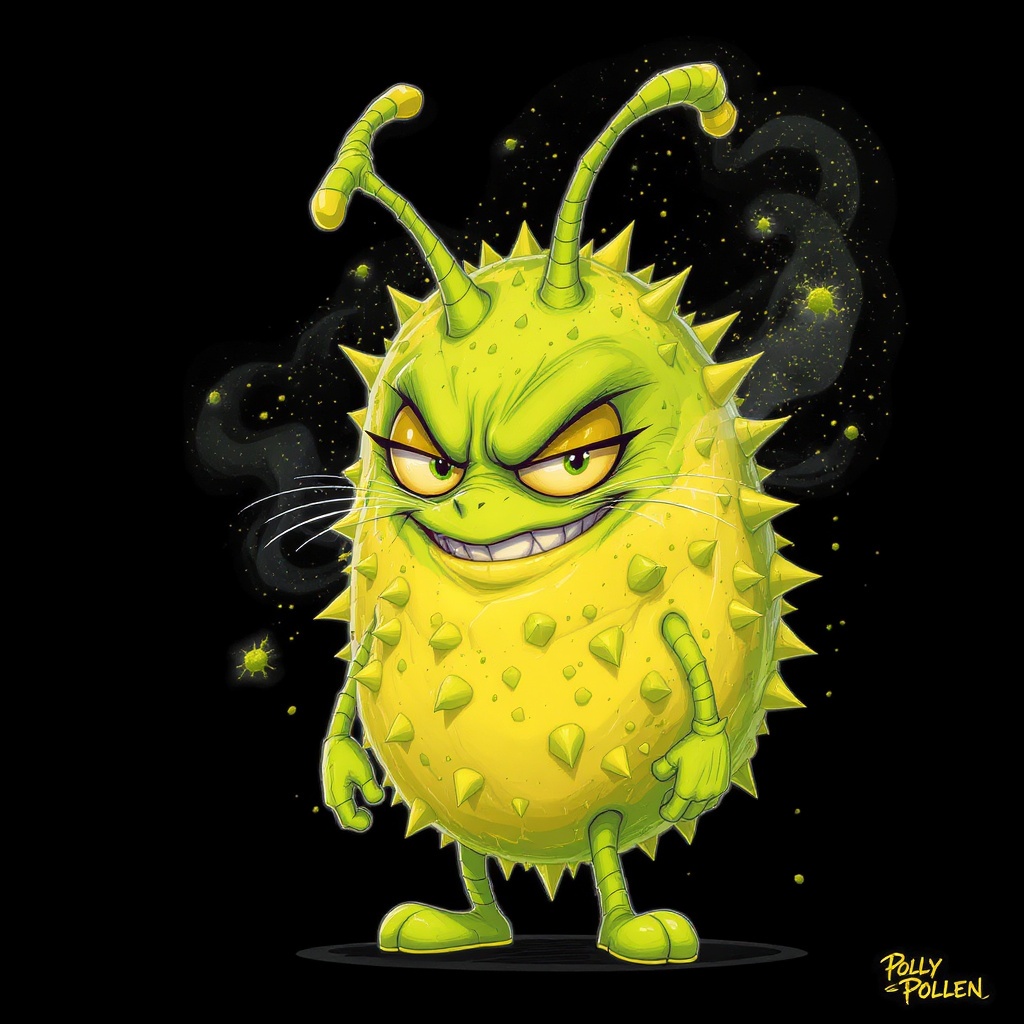
Polly sneaks through open windows and HVAC vents, riding in on clothing and pet fur. Indoor pollen can hit 40% of outdoor levels — even with windows closed.
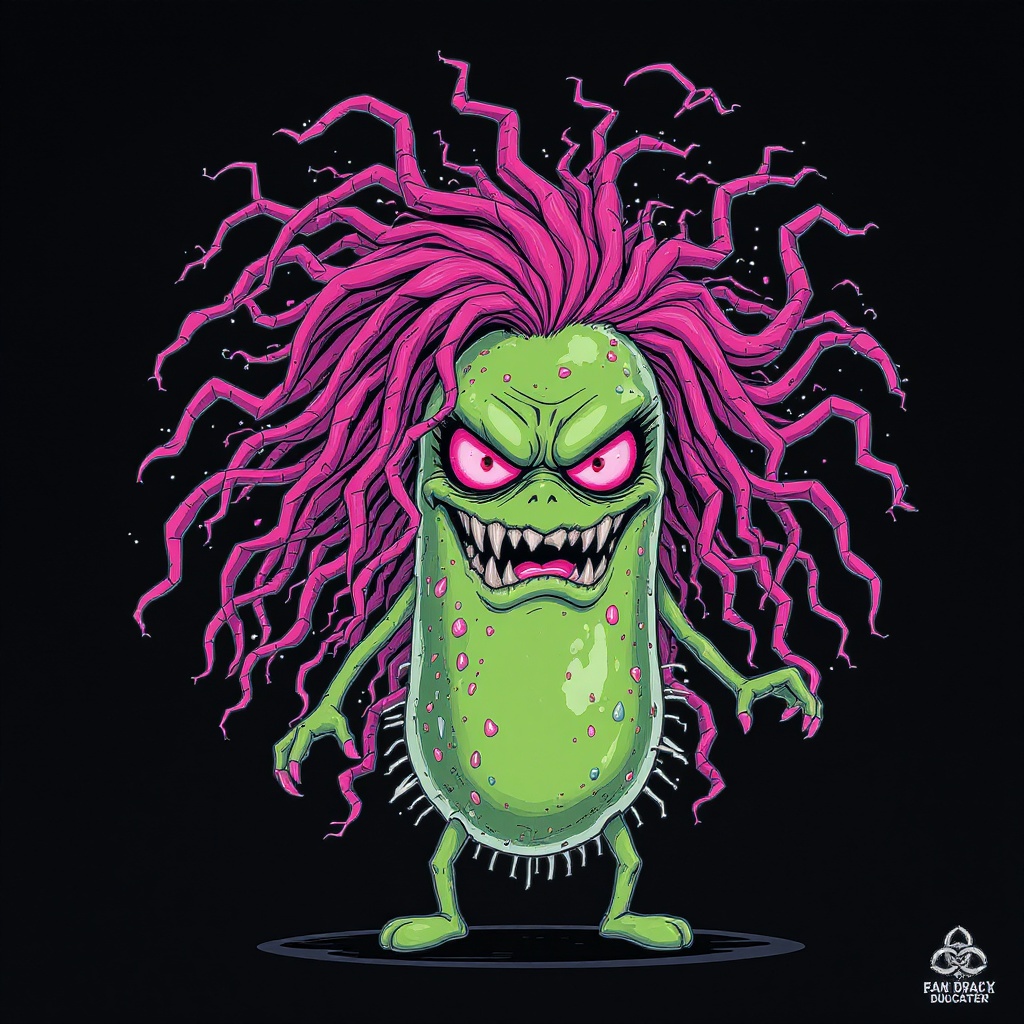
Becky colonizes aging ductwork and HVAC systems, building biofilms that continuously shed live bacteria into your air with every cycle. Pre-1980 homes are her favorite.
Discover Which Villain Is in YOUR Home
Answer 5 quick questions and get a personalized threat profile — plus the exact filter combination to neutralize your specific villains.
No email required. 2 minutes. Science-backed.